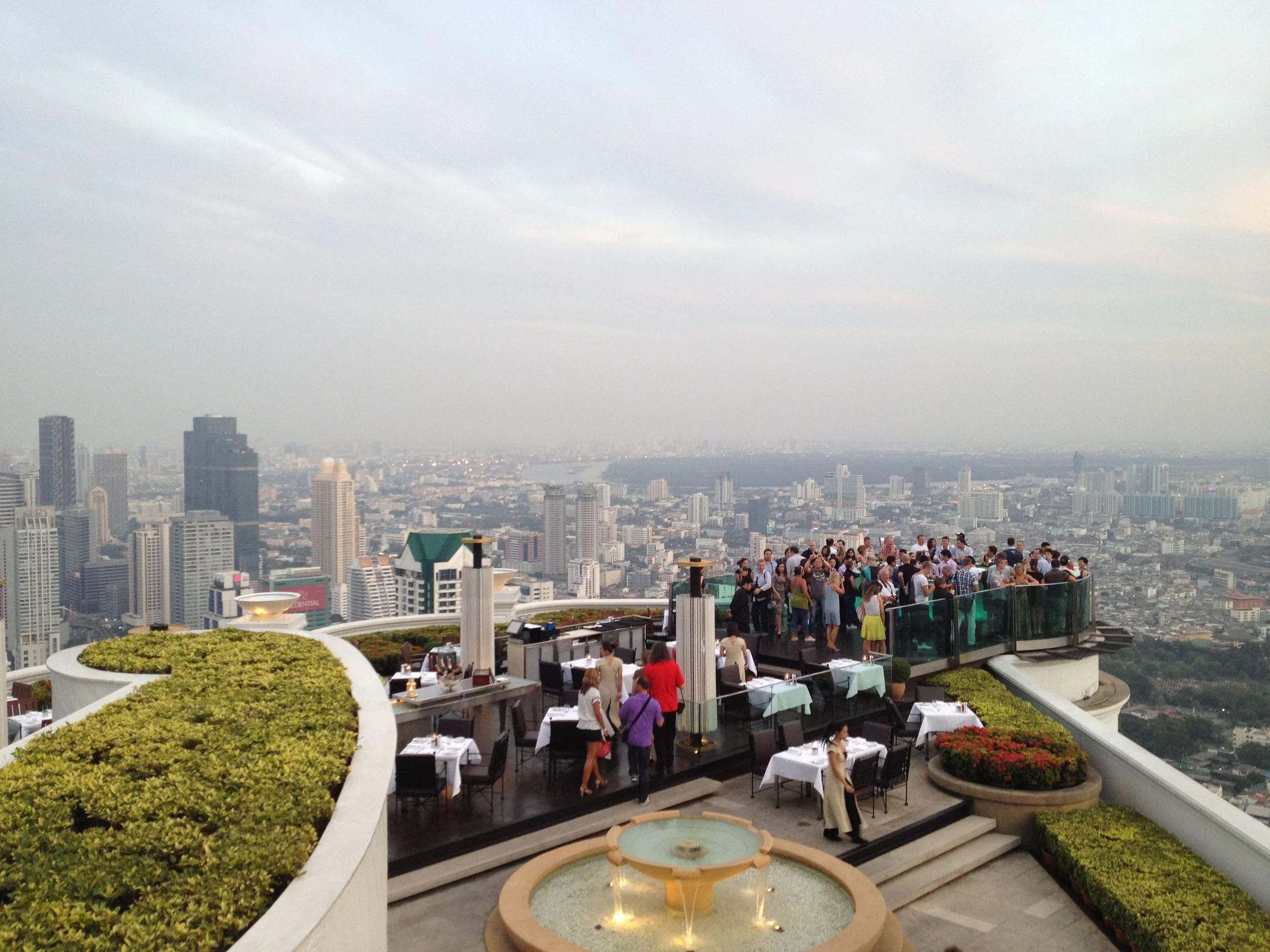
Thailand still bans the sale of alcoholic drinks on five Buddhist holy days. A new notice from the Alcoholic Beverage Control Committee, listed in the Royal Gazette on 6 November 2026, now says hotels, international-airport passenger buildings, licensed entertainment venues and two further categories of tourist and special-event sites may sell on those days. The ban continues for ordinary shops, restaurants that do not fall into those exemptions, and other sellers.
The notice is titled Notification of the Alcoholic Beverage Control Committee on the designation of days when the sale of alcoholic beverages is prohibited, B.E. 2569. The Royal Gazette listing places it in volume 143, special issue 265 ng, page 19, dated 6 November 2026. Thai PBS published the Thai title, and the full clauses, on 7 November. The Nation reported the same notice the same day.
Public Health Minister Phatthana Phromphat signed the notice on 9 October 2026 as chair of the committee. It takes effect the day after Gazette publication, which is 7 November 2026. It repeals a Prime Minister's Office notification on the same subject dated 7 May 2025. The committee cited sections 16(3) and 28, paragraph 1, of the Alcoholic Beverage Control Act B.E. 2551, as amended by Act No. 2 B.E. 2568, and a resolution from its meeting 2/2569 on 17 April 2026.
The five days and the five exemptions
Sales remain banned, unless an exemption applies, on Makha Bucha, Visakha Bucha, Asalha Bucha, the beginning of Buddhist Lent (Khao Phansa) and the end of Buddhist Lent (Ok Phansa).
Five exemptions are set out. The first covers sales in passenger buildings at airports that operate international flights. The second covers sales in entertainment venues licensed under the entertainment-venue law. The third covers establishments that operate in a similar way to entertainment venues and sit in tourist areas, but only those later designated by the Public Health Minister on the recommendation of the Interior Minister. The fourth covers hotels recognised under Thai hotel law. The fifth covers venues used for major national or international special events attended by large numbers of people, but only those later named on a list announced by the Public Health Minister on the recommendation of the Tourism and Sports Minister.
What this means if you live here or are visiting
That distinction matters. A hotel bar, or a shop inside an international-airport passenger building, can now sell on those holy days under the published notice. A neighbourhood shop, convenience store or ordinary restaurant that is not a licensed entertainment venue, and that has not been placed on a later ministerial list, remains covered by the ban. The two tourist-area and special-event categories do not unlock automatically. They wait for separate ministerial designations that were not published as part of this notice.
Sellers who rely on an exemption must still put in place screening and other measures to keep public order and public safety, and to restrict children's access to alcoholic drinks, according to the fourth clause of the notice, which Thai PBS published in full.
This article reports the published notice. It is not legal advice on whether a particular venue qualifies. Operators should read the Gazette text and any later ministerial lists.